
frosted glass factory
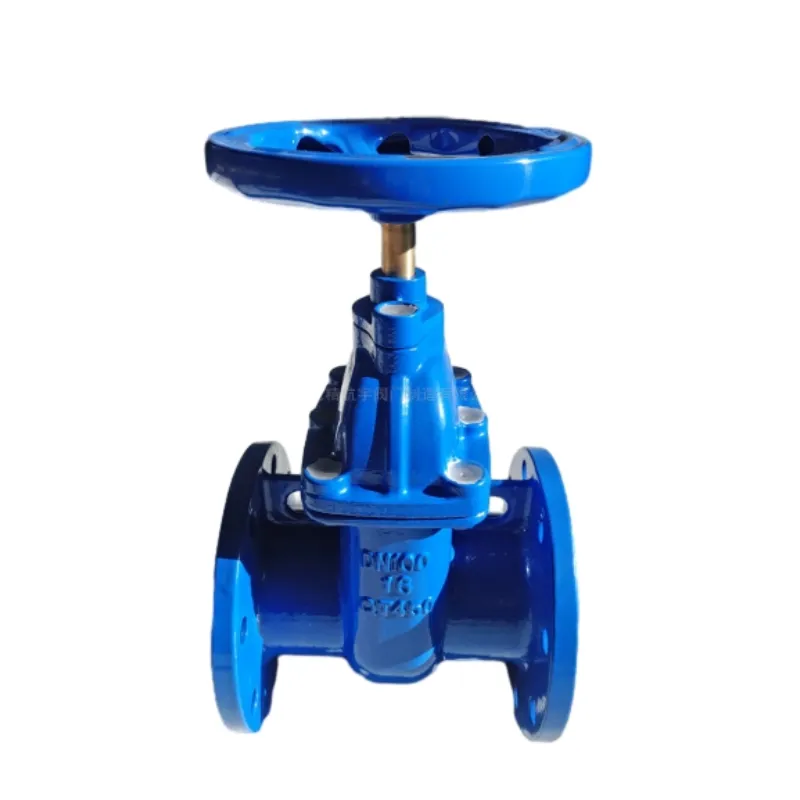
Understanding Non-Return Check Valves Function, Types, and Applications In various industrial applications, managing fluid flow efficiently and safely is paramount. Among the essential components utilized for this purpose is the non-return check valve, commonly known as a check valve. This device plays a crucial role in preventing backflow in piping systems, ensuring that fluids flow in one direction only. This article will delve into the function, types, and applications of non-return check valves, highlighting their importance in various sectors. Function of Non-Return Check Valves The primary function of a non-return check valve is to allow fluid to flow in one direction while preventing it from flowing in the opposite direction. This characteristic is vital in many systems where the fluid's reverse flow could lead to contamination, equipment damage, or unsafe conditions. Check valves operate automatically and do not require manual intervention. Instead, they utilize the fluid's pressure to control the valve's opening and closing. When the fluid flows in the intended direction, it exerts pressure on the valve's disc or ball, pushing it open to allow the flow. Once the pressure decreases or begins to reverse, the valve closes due to gravity or a spring mechanism, preventing backflow. This automatic operation is crucial in ensuring system integrity and reliability. Types of Non-Return Check Valves Non-return check valves come in various designs to suit different applications and operating conditions. Some of the most common types include 1. Swing Check Valves This type features a disc that swings on a pivot point. When fluid flows in the desired direction, the disc swings open; when the flow reverses, the disc swings back to its closed position, effectively blocking backflow. Swing check valves are ideal for low to medium flow applications and are commonly used in water and sewage systems. 2. Lift Check Valves Lift check valves operate with a disc that moves vertically within the body of the valve. Similar to swing check valves, they allow flow in one direction but are typically more suitable for higher pressure applications. They are often used in steam and water systems where pressure variations are common. 3. Ball Check Valves These valves utilize a ball that sits in a seat within the valve body. When fluid flows in the correct direction, the ball lifts, allowing flow. If the flow reverses, the ball is pushed back down into the seat, sealing off the backflow. Ball check valves are versatile and can be used in various applications, from water treatment plants to fuel systems. non return check valve 4. Diaphragm Check Valves Featuring a flexible diaphragm that opens and closes in response to pressure changes, diaphragm check valves provide a tight seal against backflow. They are often used in chemical handling and food processing due to their ability to maintain sanitary conditions. Applications of Non-Return Check Valves Non-return check valves are utilized across a wide range of industries and applications - Water and Wastewater Treatment In municipal water systems, check valves prevent backflow, ensuring that treated water does not mix with untreated sewage. - Oil and Gas In pipeline systems for oil and natural gas, check valves protect against backflow that could lead to pressure surges and potential disasters. - HVAC Systems Check valves are essential in heating, ventilation, and air conditioning systems to maintain proper airflow and prevent backflow of refrigerants or condensates. - Industrial Processes Many manufacturing and chemical processes rely on check valves to manage fluid movement safely, ensuring operational efficiency and preventing contamination. Conclusion In summary, non-return check valves are vital components in fluid management systems across various industries. Their ability to prevent backflow enhances safety, efficiency, and reliability in operations ranging from municipal water treatment to oil and gas pipelines. Understanding the different types of check valves and their specific applications can help engineers and operators make informed decisions to optimize performance and ensure system integrity. As industries continue to evolve, the role of non-return check valves will remain crucial in facilitating safe and efficient fluid management.
about
frosted glass factory
Exploring the Concept of Level for Sale A Unique Marketplace Approach In an age where everything is digital, the notion of level for sale captures an intriguing angle of online commerce. It delves into the concept of categorizing products or services based on levels of quality, exclusivity, or functionality. This idea not only enhances consumer choice but also allows sellers to cater to a diverse audience with varying preferences and budget constraints. The level for sale concept can be likened to the tiered systems often seen in subscription services or product offerings. For instance, a software company may offer a basic version of its program for free, a mid-tier version with additional features for a subscription fee, and a premium version that includes all bells and whistles for a higher price. This tiered approach maximizes customer engagement by allowing individuals to choose the level that best fits their needs and financial capabilities. The Benefits of Levels in Selling One significant advantage of the level for sale model is its ability to attract a wider audience. Consumers are not a monolithic group; each has unique tastes, preferences, and purchasing power. By offering different levels, sellers can tap into various market segments. This is particularly evident in industries like fashion, electronics, and even travel. For example, a fashion brand may release a collection that includes high-end designer pieces, more affordable yet stylish options, and even budget-friendly items. This allows them to maintain a broad customer base while still enhancing their brand's reputation for quality. Moreover, the level approach can encourage customer loyalty. When consumers begin at a basic level and see the value in what they purchased, they may be encouraged to upgrade to the next level, seeking more features or exclusivity. This progressive journey not only increases the lifetime value of customers but also builds a relationship between the buyer and the brand. Customers often feel a commitment to brands that they have invested in, leading to repeat purchases and recommendations. Showcasing Products with Levels level for sale For sellers, the level for sale concept also opens avenues for creative marketing strategies. Visualizing levels can be a key tactic in showcasing products. For example, an online game might display different tiers of in-game items, showing clear distinctions between the basic, advanced, and elite levels. These depictions help buyers quickly comprehend the value at each level and make informed choices. Additionally, the presentation of products at different levels fosters a sense of transparency in pricing. Customers appreciate understanding what they are paying for and the differences in features across levels. This clarity can reduce buyer hesitance and encourage purchases. Challenges and Considerations However, while the level for sale framework has many advantages, it poses challenges that sellers must navigate. One is the potential for brand dilution. If lower-tier products lack perceived quality, they may undermine the brand’s overall reputation. Therefore, maintaining excellence across all levels is crucial. Another challenge is pricing strategy. Setting the right price points for each level can be tricky. Too low, and the higher tiers may not seem exclusive; too high, and you risk alienating potential customers. Conclusion In conclusion, the level for sale concept is a dynamic approach to modern commerce that both sellers and buyers can benefit from. It offers a strategic way to meet diverse consumer needs while promoting brand loyalty and enhancing the overall shopping experience. As the marketplace continues to evolve, understanding and implementing this concept can provide businesses with a competitive edge, ensuring they remain relevant in a fast-paced digital environment. Embracing these levels not only caters to a broader audience but also promotes a culture of informed purchasing, where consumers thrive on choice and value.
-

High quality industrial productsagement

High quality industrial products
View Details -

Meet the diverse needs of customers

Meet the diverse needs of customers
View Details -

Strict quality control

Strict quality control
View Details -

Top raw materials

Top raw materials
View Details -

Trusted supplier

Trusted supplier
View Details
Our application
news and information
Valve tipleri
Valf Tipleri Endüstriyel Uygulamaların Temel Taşı Valfler, endüstriyel sistemlerin vazgeçilmez parça
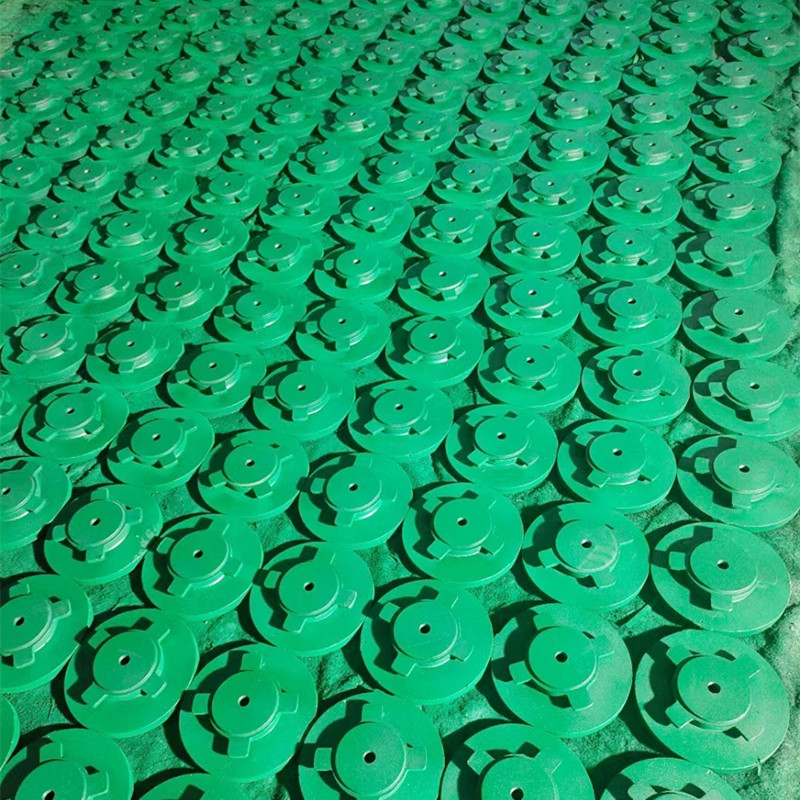
Using stamped truss nails for plate connection.
The Significance of Stamping in Truss Nail Plate Technology In the realm of construction and woodwo

Y Type Strainer Cleaning Procedures
In industrial fluid systems, Y type strainers are essential components that effectively filter out i
 English